From Bedtime Stories to Night Mode: How to Raise a Reader in the Digital Age
The great debate — and something almost everyone has an opinion on, especially parents.
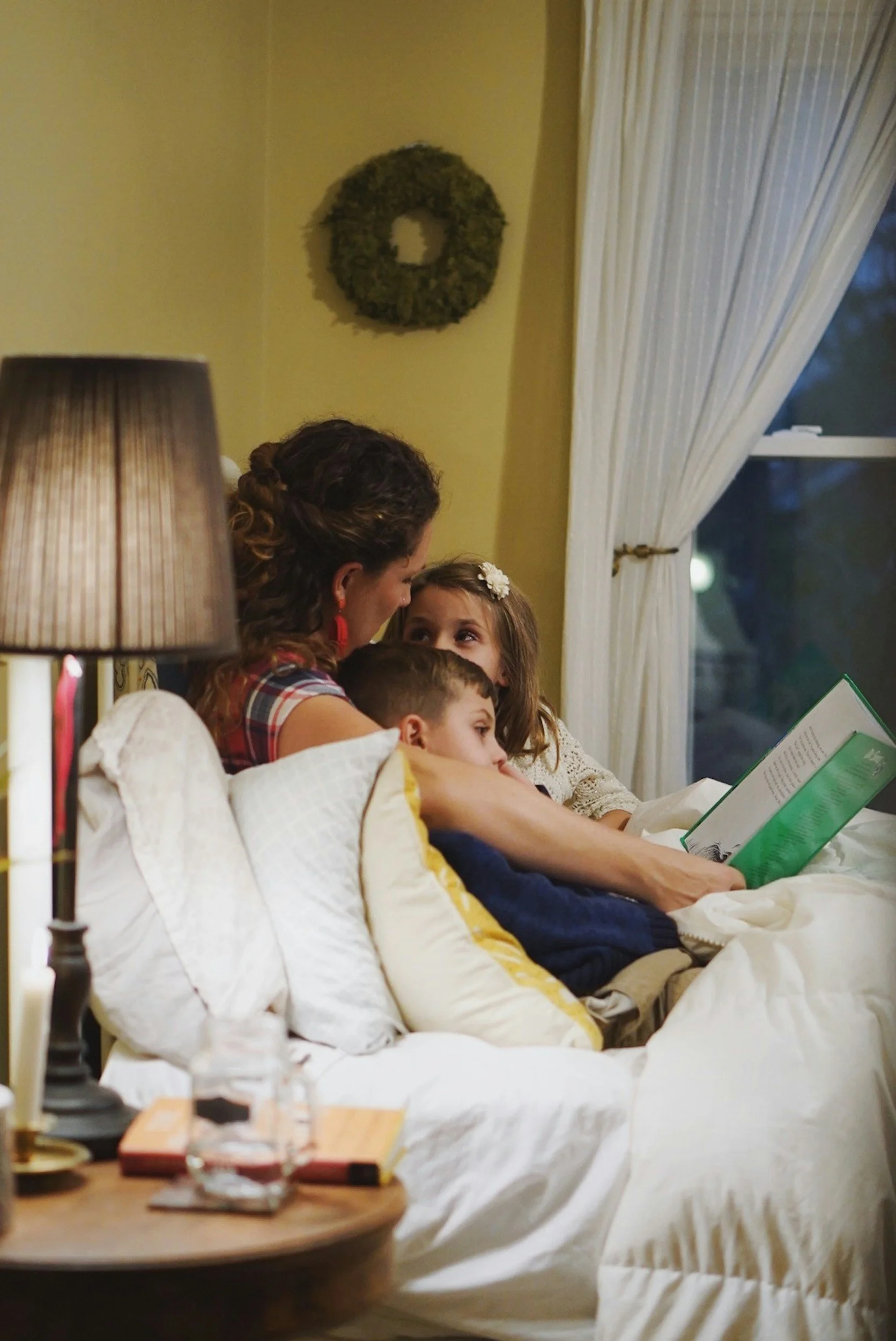
When my kids were young, bedtime was storytime. It was an opportunity to interact with the story, and my kids became completely engaged — especially when I did the voices (which I sometimes did). They loved to turn the pages, and yes, fights broke out because the girl who was supposed to turn the page didn't do it fast enough for the other one!
There were always questions about the story or a character, which meant a full conversation would unfold before I could continue. No complaints here — those were the best parts. 💖
Taking my kids to the library or bookstore to choose a book of their own was an experience in itself. They touched and felt the books in their tiny hands, flipped through the pages, spotted a familiar character, and looked up at me with the biggest smiles. Cuddling up together to read a picture book are some of my favourite memories of their childhood. It gave them the ability to understand different emotions and feelings, strengthened their language skills, and turned every book into an adventure we were about to embark on together.
So you're probably thinking, okay, now she's going to tell me all the reasons ebooks are bad — clearly she's TEAM PAPERBACK.
Wrong! I like ebooks too. 😊
But here's the thing — ebooks serve a different demographic. They aren't designed for toddlers or children under the age of 10, and that's an important distinction.
For older kids, ebooks can actually be a game-changer. As children grow, reading doesn't always feel important — or, dare I say, cool — anymore. But studies have shown that ebooks help reluctant readers get back into books because they can customize fonts and colours, and that small sense of control can provide a real boost in motivation.
The convenience factor is a major plus too. Having access to multiple books on a single lightweight device beats hauling around a stack of hardcovers any day. And with features like night mode, kids can read any time — day or night — without needing to turn on a light. A friend of mine has a 10-year-old son who sleeps with his ebook. He loves being able to switch to night mode in the dark, and while she limits his screen time on other devices, his ebook is a screen-time exception she's happy to make.
And I get why screen time is such a loaded topic for parents right now.
We're all trying to figure it out as we go.
The truth is, tech devices are here to stay, and our kids are being introduced to screens at earlier ages than ever before — and if we're being honest, that does come with some trade-offs. Research tells us that for children ages 3–5, too much screen time can lead to overstimulation, shorter attention spans, lower impulse control, increased irritability, and disrupted sleep. Experts generally recommend no screen time for children under 2 (excluding video chatting) and limited, high-quality content for ages 2 to 5. As a mom, those findings hit close to home.
That's why I feel so strongly that ebooks belong in the hands of older kids — 10 and up. A toddler with a tablet misses out on something irreplaceable: the feel of the pages, the pointing at pictures, the imagination that sparks when a story lives in their hands rather than on a screen.
So where does that leave us? Simple: the right book, in the right format, for the right age.
What Do You Think?
Are you Team Paperback or Team Ebook, or somewhere in between? I'd love to hear how reading looks in your household — drop your thoughts in the comments below! And if this resonated with you, share it with a fellow parent who's navigating the same question. Let's keep the conversation going. 📚
And if you're looking for the perfect paper book to curl up with your little one, meet Cooper and Chloe! My children's book Don't All Cats Eat Chicken? is a story about two cats with very different food preferences who have the confidence to embrace what makes them unique — because being yourself is always something worth celebrating. Written for kids ages 3–7, it's the kind of book that sparks conversation, giggles, and maybe even a little self-reflection. Find it on Amazon and make it your next bedtime adventure!
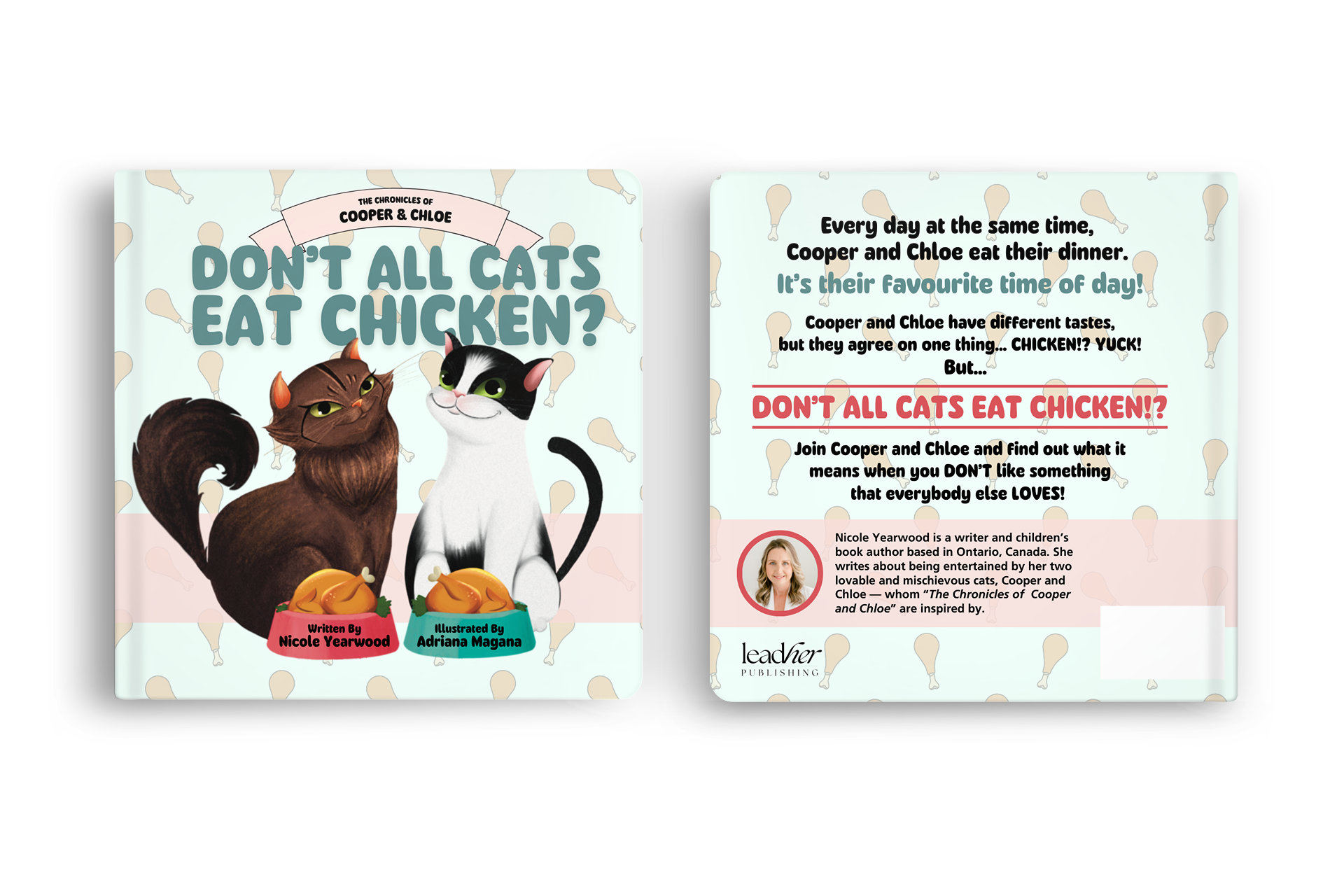
Don’t All Cats Eat Chicken? front and back cover